What Conditions Are Treated At A Vein Treatment Clinic?
A vein treatment clinic focuses on diagnosing and treating disorders that affect the veins, especially in the legs. These conditions often develop when veins struggle to circulate blood properly back to the heart. As a result, patients experience discomfort, visible vein changes, and sometimes serious complications if left untreated. Understanding what a vein treatment clinic handles helps you take timely action for better vascular health.
Common Vein Conditions Treated
A vein treatment clinic regularly treats a wide range of venous disorders. One of the most common issues is varicose veins. These enlarged, twisted veins often appear on the legs and can cause aching, heaviness, and swelling. They develop when vein valves weaken, allowing blood to pool instead of flowing upward efficiently.
Spider veins are another frequent concern. These are smaller, web-like veins visible near the skin’s surface. While they are often considered a cosmetic issue, they can sometimes signal underlying venous insufficiency.
Chronic venous insufficiency is a more serious condition treated at a vein clinic. It occurs when leg veins cannot effectively return blood to the heart. Patients may experience leg pain, swelling, skin discoloration, and even ulcers in advanced stages. Prompt evaluation is essential to prevent complications.
Deep vein thrombosis (DVT) is also managed in specialized settings. This condition involves blood clots in deeper veins and requires immediate medical attention. A vein specialist evaluates risk factors and provides treatment to prevent serious outcomes like pulmonary embolism.
Symptoms That Require Attention
Many patients wonder when to see a vascular doctor. The answer often lies in recognizing early symptoms. Persistent leg pain, heaviness, cramping, swelling, or visible bulging veins are all signs that should not be ignored. Skin changes around the ankles, such as darkening or irritation, also indicate underlying vein issues.
If symptoms worsen after long periods of standing or sitting, it may suggest poor blood flow in the veins. Seeking professional evaluation early helps prevent progression and improves treatment outcomes.
What Does a Vein Clinic Do?
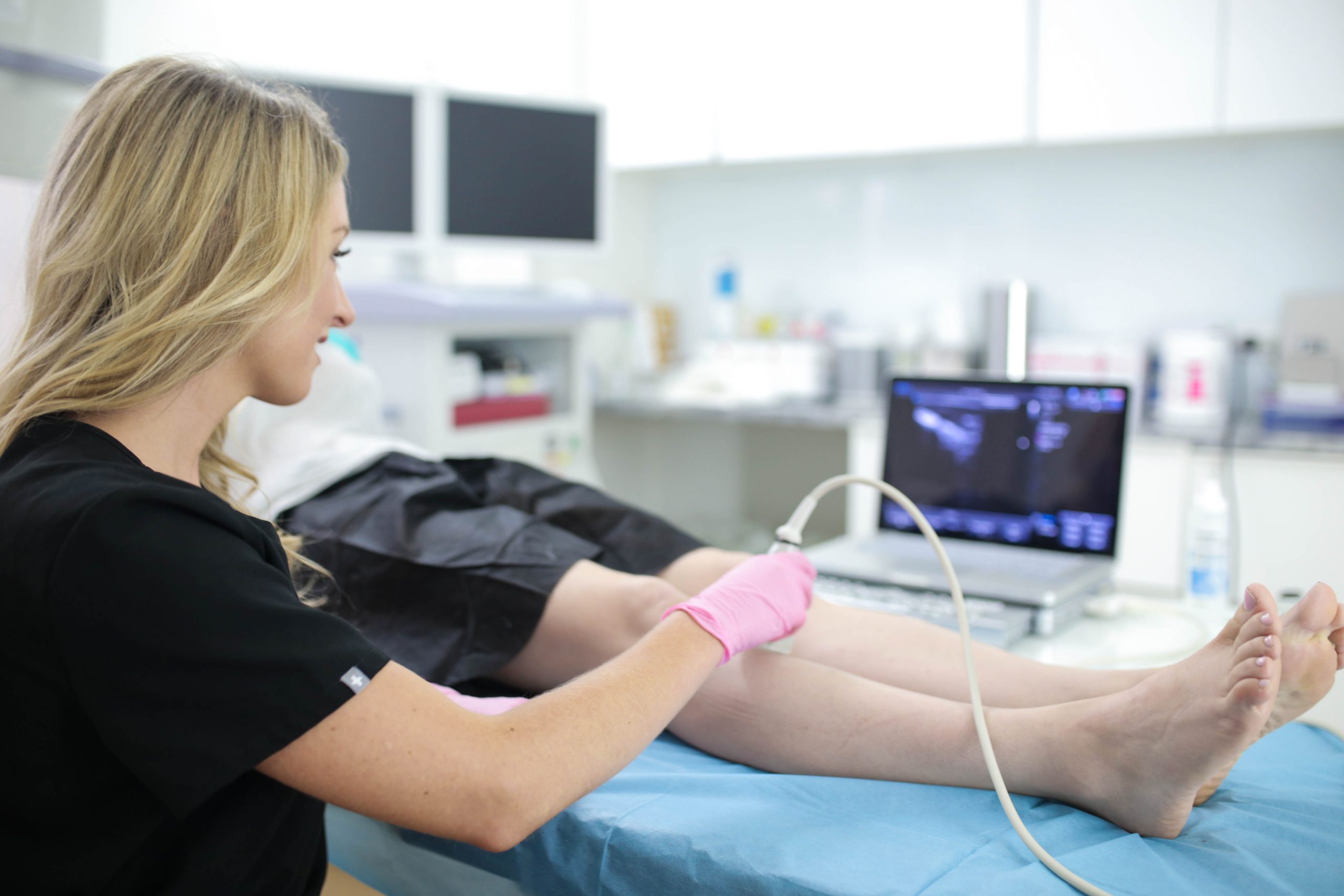
Many people ask, what does a vein clinic do beyond treating visible veins. A modern vein clinic provides comprehensive vascular care, starting with diagnostic ultrasound imaging to assess blood flow and vein function. Specialists then create personalized treatment plans based on the severity of the condition.
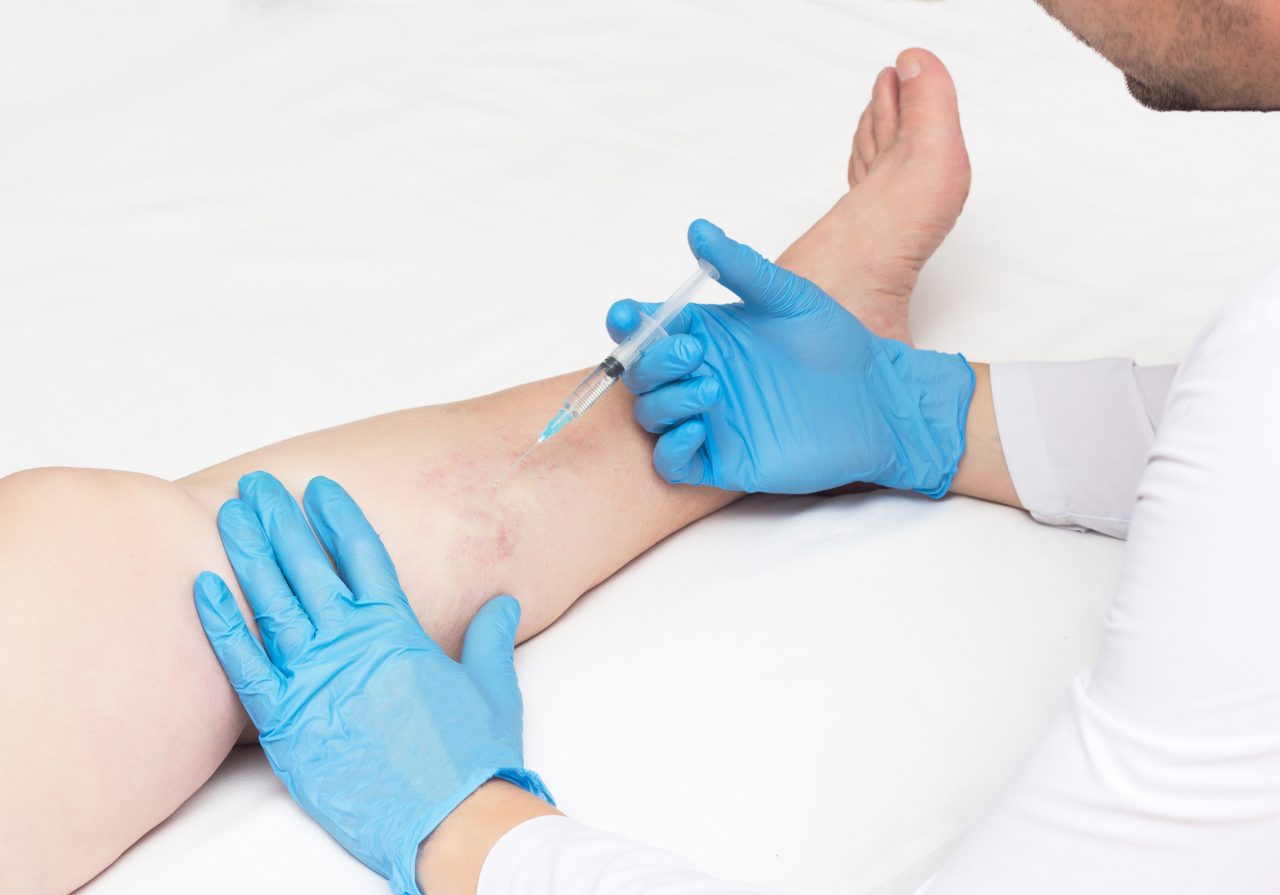
Non-surgical treatments are commonly used, including endovenous laser therapy, radiofrequency ablation, and sclerotherapy. These procedures close or remove damaged veins, redirecting blood flow to healthier ones. Most treatments are minimally invasive, allowing patients to return to normal activities quickly.
A vein treatment clinic also focuses on long-term management. This includes lifestyle guidance, compression therapy, and follow-up care to prevent recurrence. The goal is not just cosmetic improvement but also restoring proper circulation and relieving discomfort.
Advanced Treatment Options for Better Outcomes
At leading clinics such as Vein Treatment Long Island, specialists use advanced diagnostic tools to identify the root cause of venous disease. This ensures that treatment goes beyond surface-level symptoms. Patients benefit from customized care plans designed to improve both function and appearance.
Modern procedures are performed in-office and typically require little to no downtime. This makes vein care more accessible and convenient than ever before. Patients often experience immediate relief from symptoms such as pain and swelling.
Why Early Treatment Matters
Ignoring vein problems can lead to worsening symptoms and complications. Untreated venous disease may result in skin ulcers, infections, and chronic pain. That is why early diagnosis and intervention are critical.
Knowing when to see a vascular doctor empowers patients to take control of their health before conditions escalate. Early treatment also improves cosmetic outcomes and overall quality of life.
Conclusion
A vein treatment clinic plays a vital role in diagnosing and managing venous conditions ranging from spider veins to chronic venous insufficiency. By understanding symptoms and seeking timely care, patients can avoid complications and restore healthy circulation.
If you are experiencing persistent leg discomfort or visible vein issues, professional evaluation is essential. Vein Treatment Long Island provides comprehensive care using advanced techniques to ensure effective and lasting results. Choosing expert care early can make a significant difference in both your vascular health and overall well-being.


Comments
Post a Comment