How Does a Vein Clinic Diagnose and Treat Varicose Veins?
Varicose veins are more than just a cosmetic concern—they can cause pain, swelling, and discomfort that affects daily life. Many people ask, what does a vein clinic do when it comes to diagnosing and treating these conditions. At Vein Treatment Long Island, a leading vein treatment center, patients receive comprehensive care designed to relieve symptoms, improve vein health, and restore confidence.
When you visit a vein clinic, the first step is diagnosis. Accurate diagnosis is crucial because varicose veins can vary in severity, and untreated veins can lead to complications such as skin ulcers or blood clots. At Vein Treatment Long Island, the diagnostic process begins with a detailed medical history. The physician asks about your symptoms, family history of vein disease, lifestyle, and any previous treatments. This information helps the specialist understand the extent of your vein issues and any underlying conditions that may contribute to vein dysfunction.
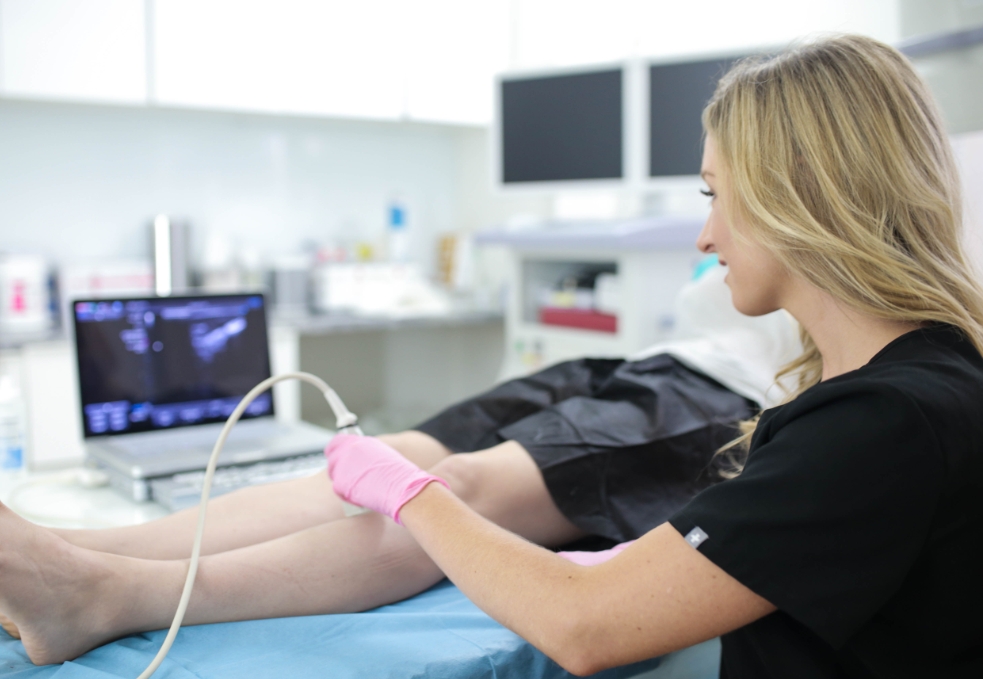
Next, the vein specialist performs a physical examination. This includes inspecting the legs while standing and sitting to observe visible varicose veins, swelling, or skin changes. The doctor may also gently press on the veins to assess their firmness and check for tenderness. Physical examination alone provides valuable insight, but modern vein clinics rely on advanced imaging techniques to get a precise view of vein health.
Ultrasound is the primary imaging tool used at Vein Treatment Long Island. A duplex ultrasound allows the physician to evaluate blood flow in the veins, detect reflux (backward blood flow), and identify blockages or clots. This non-invasive, painless procedure is highly accurate and guides the development of a personalized treatment plan. With the detailed information from the ultrasound, the vein clinic can determine which veins require treatment and which can be monitored.
Once the diagnosis is complete, the vein clinic discusses treatment options. Many patients wonder, what does a vein clinic do to treat varicose veins. Treatment typically focuses on relieving symptoms, improving circulation, and preventing further vein damage. At Vein Treatment Long Island, the vein specialists offer both non-surgical and minimally invasive procedures tailored to the patient’s needs.
For mild cases, lifestyle changes and conservative care may be recommended. This includes wearing compression stockings to support blood flow, elevating the legs to reduce swelling, and incorporating regular exercise to strengthen veins. While these methods do not eliminate varicose veins, they can significantly alleviate discomfort and slow the progression of vein disease.
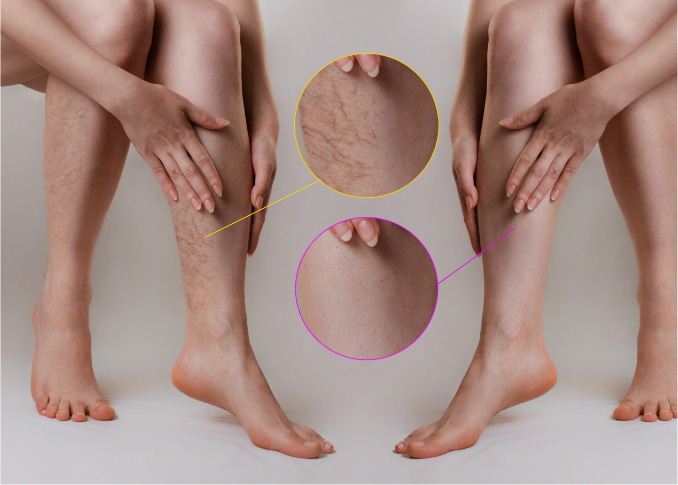
For more advanced cases, minimally invasive procedures are the standard at leading vein treatment centers. One popular option is endovenous laser therapy (EVLT), which uses laser energy to seal the affected vein. The procedure is performed under local anesthesia, and most patients return to normal activities within a day or two. Another effective treatment is radiofrequency ablation (RFA), which uses controlled heat to close damaged veins, redirecting blood flow to healthy veins. Both EVLT and RFA are safe, highly effective, and performed in-office, avoiding the need for hospitalization.
Sclerotherapy is another treatment offered by vein clinics, especially for smaller varicose veins and spider veins. During this procedure, the physician injects a solution into the vein, causing it to collapse and eventually fade. Sclerotherapy is minimally invasive, requires little downtime, and can produce excellent cosmetic results.
Vein Treatment Long Island also emphasizes patient education throughout the process. The vein specialists explain the causes of varicose veins, the importance of vein health, and steps patients can take to prevent recurrence. Understanding the underlying factors, such as genetics, pregnancy, or prolonged standing, empowers patients to take an active role in managing their vein health.
Follow-up care is another essential aspect of treatment at a reputable vein clinic. After any procedure, the team at Vein Treatment Long Island monitors healing, evaluates the success of the treatment, and addresses any concerns promptly. Regular check-ups ensure that veins remain healthy and that any new varicose veins are identified early.
In summary, a vein clinic plays a vital role in diagnosing and treating varicose veins. By combining detailed medical evaluation, advanced imaging, and minimally invasive treatments, a vein treatment center like Vein Treatment Long Island helps patients achieve relief and long-term vein health. From initial consultation to follow-up care, the clinic focuses on providing effective, compassionate, and personalized treatment. If you are struggling with varicose veins, visiting a specialized vein clinic can provide clarity, comfort, and a path toward healthier legs.


Comments
Post a Comment