How Do I Know If My Varicose Veins Require Medical Attention?
Varicose veins are more than just a cosmetic concern—they can sometimes signal an underlying vascular issue that needs professional care. If you are noticing swollen, twisted veins, it’s natural to wonder, “Do I need to see a doctor?” Understanding when varicose veins require medical attention is crucial to maintaining both your vascular health and overall quality of life.
At Vein Treatment Long Island, we specialize in safe, effective solutions for vein disorders. If you are searching for vein treatment near me, this guide will help you identify warning signs and know when to see a vascular doctor.
What Are Varicose Veins?
Varicose veins are enlarged veins that often appear dark purple or blue and bulge above the skin’s surface. They usually develop in the legs due to weakened valves, which cause blood to pool instead of flowing back to the heart efficiently. Common symptoms include aching, heaviness, swelling, and visible twisting of veins.
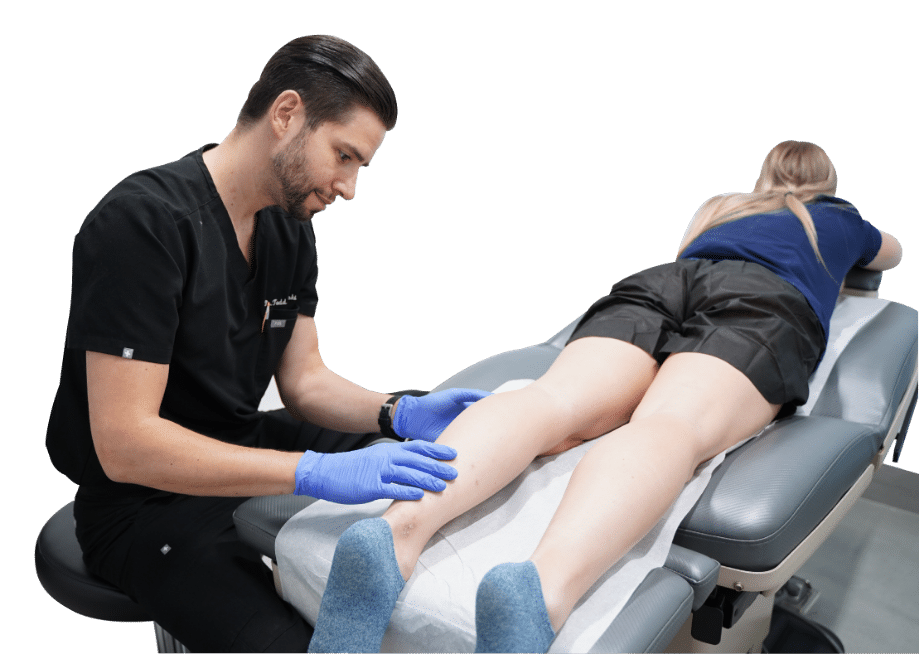
While many cases are primarily cosmetic, varicose veins can sometimes indicate more serious conditions, such as chronic venous insufficiency or even blood clots.
Signs That Require Medical Attention
It’s important to monitor your veins and be aware of signs that suggest you need a professional evaluation. You should consider seeking vein treatment near me or consulting a specialist if you notice:
- Severe Pain or Discomfort
Occasional soreness is common, but persistent pain or throbbing may signal a more serious problem. Pain that worsens after long periods of standing or walking should not be ignored. - Swelling in the Legs or Ankles
Mild swelling can happen due to prolonged sitting, but sudden or consistent swelling can indicate a vascular issue requiring intervention. - Skin Changes Around the Veins
Redness, discoloration, hardening, or ulceration of the skin near varicose veins may suggest inflammation, infection, or chronic venous insufficiency. - Bleeding or Vein Rupture
Varicose veins close to the surface of the skin can sometimes rupture, causing minor bleeding. This requires immediate attention from a vascular specialist. - Blood Clots
If you notice sudden pain, warmth, and redness in one leg, it could indicate a deep vein thrombosis (DVT), which is a serious condition. Seek urgent medical care.
When to See a Vascular Doctor
Knowing when to see a vascular doctor is key to preventing complications. Even if your varicose veins aren’t painful, consulting a specialist can help prevent future problems. Vascular doctors can evaluate vein function, recommend minimally invasive treatments, and provide long-term management strategies.
At Vein Treatment Long Island, our team offers comprehensive assessments to determine the severity of your varicose veins. Using advanced diagnostic tools, we ensure that each patient receives a treatment plan tailored to their needs.
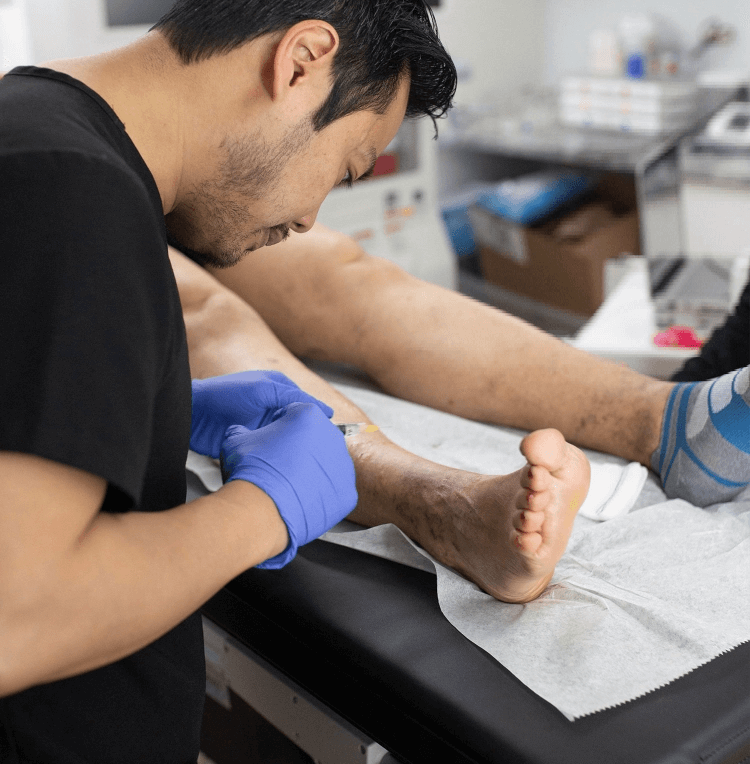
How Vein Specialists Can Help
Vascular doctors offer a variety of treatment options for varicose veins, including:
- Sclerotherapy – Injecting a solution to close abnormal veins.
- Endovenous Laser Therapy (EVLT) – Using laser energy to seal problematic veins.
- Vein Stripping and Ligation – Surgical removal of damaged veins when necessary.
- Lifestyle Recommendations – Guidance on exercise, compression stockings, and diet to support vein health.
These treatments not only improve the appearance of veins but also address discomfort and reduce the risk of more serious vascular issues.
Conclusion
Varicose veins are common, but not all require immediate medical attention. However, persistent pain, swelling, skin changes, bleeding, or signs of blood clots are clear indicators that you should seek professional care. If you are searching for vein treatment near me, trust Vein Treatment Long Island to provide expert care and guidance. Early intervention ensures healthier veins, improved comfort, and peace of mind.


Comments
Post a Comment