How Do Vein Specialists Diagnose and Treat Vein Issues?
Vein health is crucial for overall wellness, yet many people overlook early signs of vein problems. Varicose veins, spider veins, and other vascular conditions can cause discomfort, pain, and in some cases, serious complications. Understanding how vein specialists diagnose and treat these issues can help patients seek timely care and enjoy healthier legs. At Vein Treatment Long Island, we provide comprehensive care to ensure optimal vein health for our patients.
What Is a Vein Doctor Called?
Many people ask, “what is a vein doctor called?” A vein doctor is typically known as a phlebologist, a medical professional who specializes in diagnosing and treating vein disorders. Some vascular surgeons also focus on vein care, particularly in complex cases. At Vein Treatment Long Island, our team of experienced phlebologists and vein specialists offers personalized treatments to manage vein problems effectively and improve patient quality of life.
Diagnosing Vein Issues
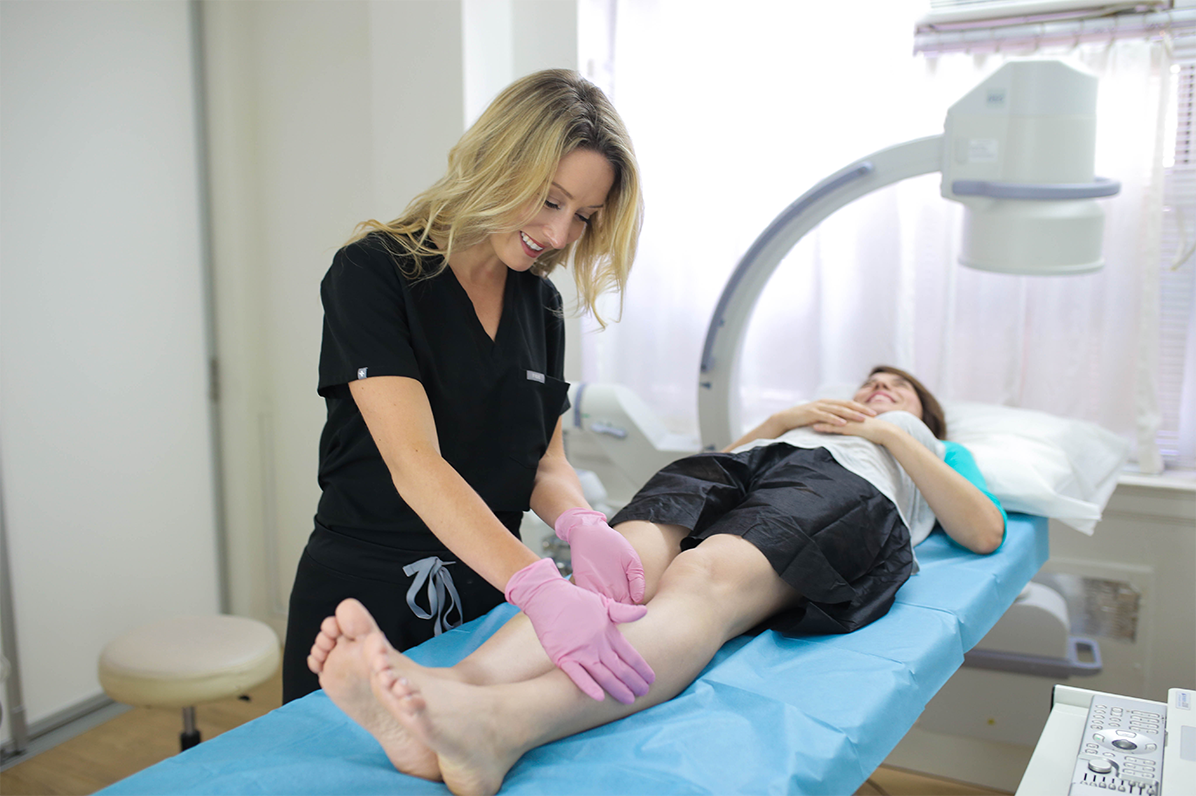
Vein specialists begin with a thorough assessment to understand the patient’s symptoms and medical history. Common signs of vein issues include visible varicose veins, leg swelling, heaviness, fatigue, and skin discoloration. During the initial consultation, specialists at Vein Treatment Long Island ask targeted questions about lifestyle, family history, and any previous vein conditions.
The next step is often a physical examination, where the doctor inspects the legs for visible vein abnormalities and assesses skin changes or tenderness. However, a visual inspection is usually not enough to fully understand the underlying condition.
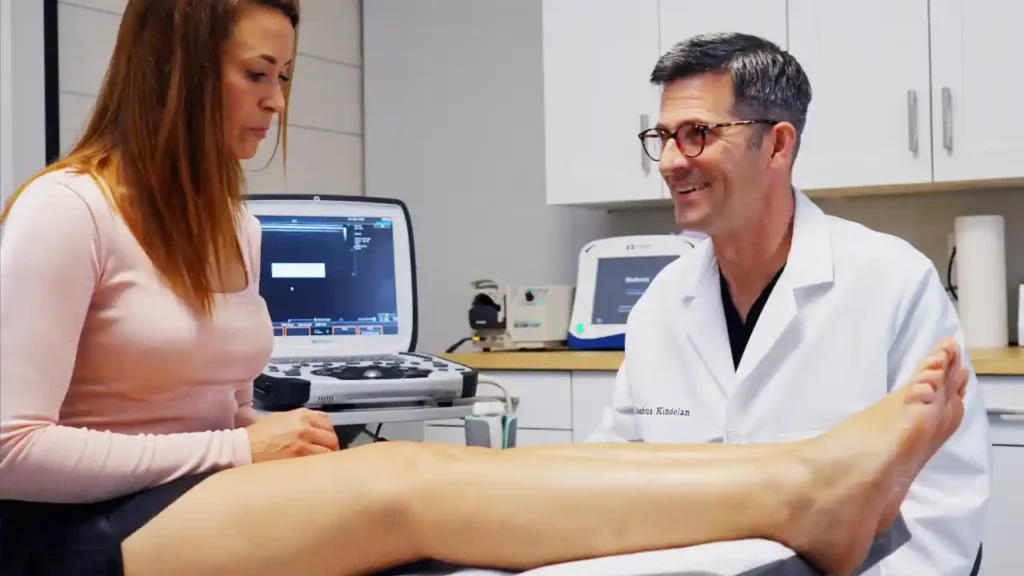
To gain a more detailed view, vein specialists use diagnostic imaging tests. The most common tool is duplex ultrasound, which allows doctors to visualize blood flow, detect vein reflux (backward flow of blood), and identify blockages or clots. This non-invasive test is painless and provides critical information for planning an effective treatment strategy.
Treatment Options for Vein Problems
After diagnosis, vein specialists create a tailored treatment plan based on the severity and type of vein disease. At Vein Treatment Long Island, we emphasize minimally invasive procedures that are safe, effective, and require little to no downtime.
Lifestyle Changes and Preventive Care
For mild vein issues, doctors often recommend lifestyle adjustments. Regular exercise, elevating the legs, wearing compression stockings, and maintaining a healthy weight can improve circulation and reduce symptoms. These changes can also prevent vein problems from worsening over time.
Minimally Invasive Procedures
For more pronounced conditions, vein specialists may suggest minimally invasive treatments. Some popular options include:
-
Sclerotherapy: A solution is injected into small varicose or spider veins, causing them to collapse and fade.
-
Endovenous Laser Therapy (EVLT): A laser closes off larger varicose veins, rerouting blood flow to healthy veins.
-
Radiofrequency Ablation (RFA): Uses radiofrequency energy to seal faulty veins.
These procedures are performed in-office, involve minimal discomfort, and allow patients to resume normal activities quickly.
Surgical Options
In rare cases where vein disease is severe or resistant to other treatments, vein specialists may recommend surgical interventions, such as vein ligation or stripping. These are generally considered last-resort options and are performed under anesthesia.
Why Choose Vein Treatment Long Island?
At Vein Treatment Long Island, we combine advanced diagnostic tools, expert care, and compassionate patient support. Our phlebologists are highly trained in the latest techniques, ensuring every patient receives personalized treatment. Whether you are curious about “what is a vein doctor called” or need a comprehensive vein health plan, our clinic is equipped to guide you every step of the way.
By understanding how vein specialists diagnose and treat vein issues, patients can take proactive steps toward healthier legs and improved overall circulation. Don’t ignore the signs—consulting a vein doctor early can prevent complications and restore comfort and confidence in your daily life.


Comments
Post a Comment