Could Your Veins Require Medical Attention?
Veins play a crucial role in circulating blood back to the heart, but many people overlook signs that indicate a problem. Issues like varicose veins, spider veins, or deep vein thrombosis (DVT) are not just cosmetic—they can be serious if left untreated. Understanding when to seek help can make a significant difference in your overall health. Vein Treatment Long Island is here to guide you through recognizing the warning signs and seeking care from a trusted vein treatment clinic.
Common Signs Your Veins May Need Attention
Not all vein problems are visible, but some warning signs are easy to spot. You should pay attention if you notice:
-
Visible Varicose Veins: Bulging, twisted veins often appear on the legs and can cause discomfort.
-
Swelling and Heaviness: Persistent leg swelling, especially after long periods of standing, may indicate poor circulation.
-
Pain or Throbbing: Painful or aching legs, especially at night, can signal underlying vein issues.
-
Skin Changes: Discoloration, itching, or ulcers near the ankle area could indicate chronic venous insufficiency.
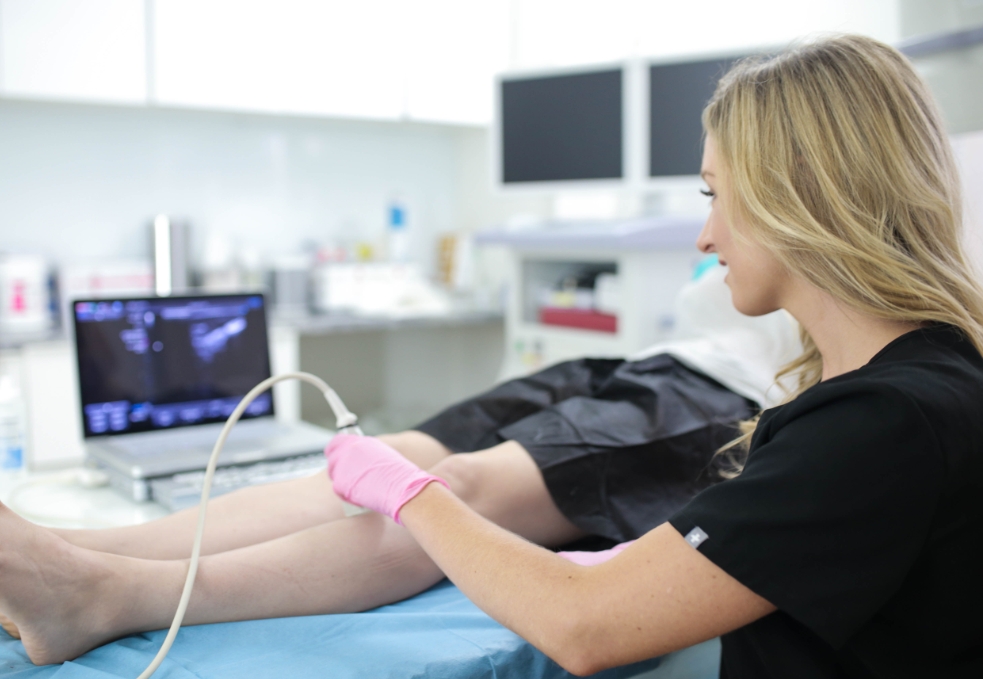
Recognizing these signs early is essential. A vein treatment clinic can evaluate your condition and recommend appropriate interventions to prevent complications.
When to See a Vascular Doctor
Knowing when to see a vascular doctor is key to preventing minor vein issues from becoming severe. Immediate consultation is necessary if you experience:
-
Sudden swelling or pain in one leg, which could indicate a blood clot.
-
Redness, warmth, or tenderness along a vein.
-
Non-healing sores or skin changes on your legs.
-
Persistent fatigue or heaviness in the legs that affects daily activities.
Vascular doctors are trained to assess circulation problems and provide treatments that range from minimally invasive procedures to advanced therapies for chronic conditions. Early detection can significantly improve outcomes.
How a Vein Treatment Clinic Can Help
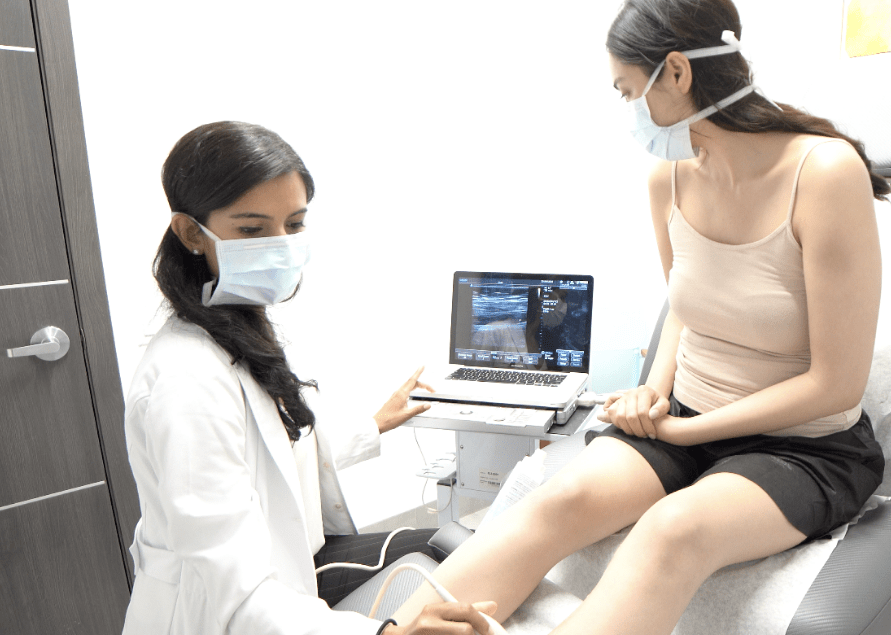
A professional vein treatment clinic, like Vein Treatment Long Island, provides comprehensive evaluations and customized care plans. Using state-of-the-art technology, these clinics can:
-
Diagnose vein conditions with non-invasive imaging techniques.
-
Offer minimally invasive treatments such as sclerotherapy or endovenous laser therapy.
-
Provide lifestyle guidance to reduce the risk of vein complications.
-
Monitor long-term vascular health to prevent recurrence.
By seeking care at a specialized clinic, patients can address vein issues effectively and reduce the risk of serious complications like DVT or chronic venous insufficiency.
Prevention and Lifestyle Tips
In addition to professional care, certain lifestyle changes can support healthy veins:
-
Exercise Regularly: Activities like walking, swimming, and cycling promote circulation.
-
Maintain a Healthy Weight: Excess weight adds pressure on veins, increasing the risk of varicose veins.
-
Elevate Your Legs: Raising your legs after prolonged standing reduces swelling.
-
Avoid Long Periods of Sitting: Frequent movement prevents blood from pooling in the legs.
These habits complement medical treatment and help maintain long-term vein health.
Conclusion
Vein problems are more than a cosmetic concern—they can signal serious health issues. Recognizing symptoms early and knowing when to see a vascular doctor can prevent complications and improve quality of life. Vein Treatment Long Island is committed to offering expert care in a supportive environment. If you notice persistent vein issues or unexplained leg discomfort, consulting a vein treatment clinic is the first step toward healthier, pain-free legs.


Comments
Post a Comment