What Kind of Doctor Treats Vein Problems?
When you start noticing spider veins, varicose veins, leg swelling, or persistent heaviness in your legs, you might wonder, “What kind of doctor treats vein problems?” Many people assume they should see a dermatologist or general practitioner first, but vein disorders require care from a specialist who understands both the cosmetic and medical sides of venous disease.
The doctor who treats vein problems is called a vein specialist, also known as a vein doctor or vein physician. If you’re unsure what kind of doctor is a vein specialist, the answer is simple: a vein specialist is typically a board-certified physician trained in vascular medicine, interventional radiology, or interventional cardiology. These doctors specialize in diagnosing and treating vein diseases using modern, minimally invasive procedures.
At Vein Treatment Long Island, patients receive expert care from highly trained vein specialists who focus on comfort, accuracy, and long-lasting results.
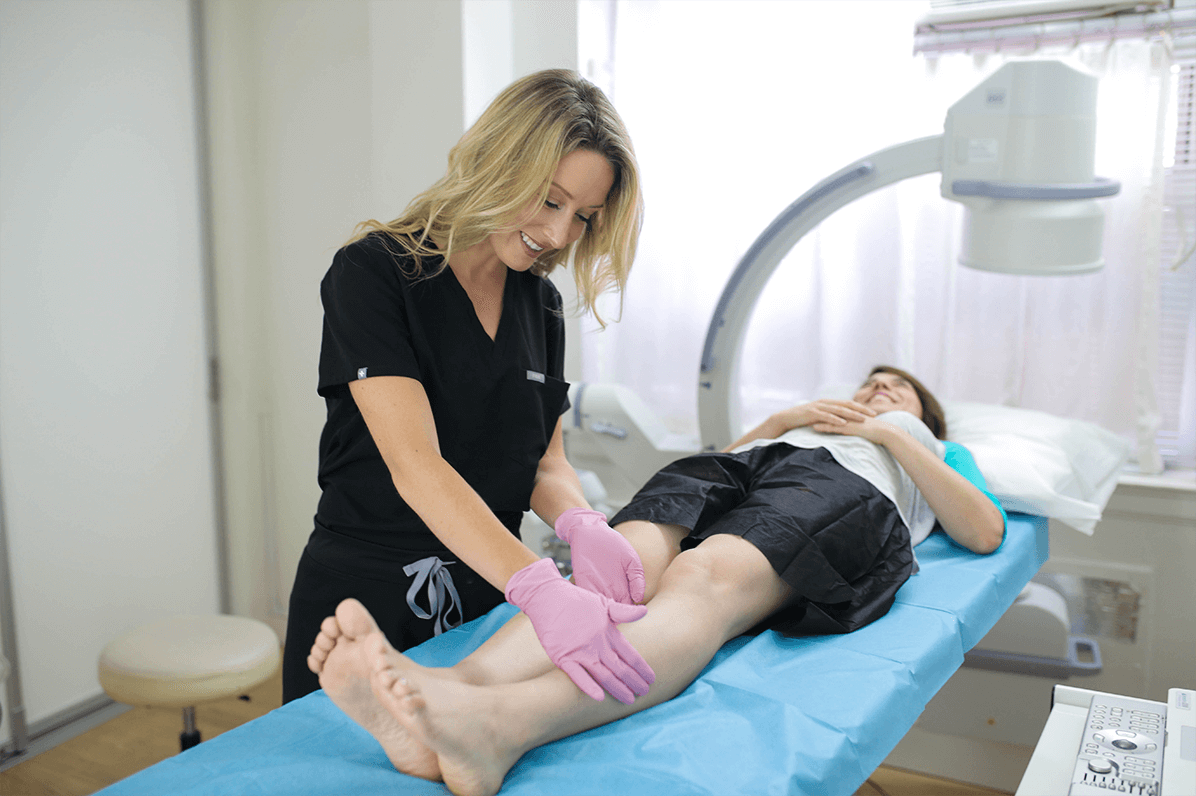
Why You Need a Vein Specialist for Vein Disease
Vein disease often goes deeper than visible spider veins. While these small veins may seem like a cosmetic issue, they can be a sign of underlying venous insufficiency, a condition where damaged valves inside the veins cause blood to pool in the legs. If left untreated, venous insufficiency can lead to leg pain, swelling, skin discoloration, and even ulcers.
This is why choosing the right doctor matters.
A certified vein specialist has extensive training in:
-
Ultrasound diagnosis
-
Blood flow assessment
-
Minimally invasive procedures
-
Preventing vein disease progression
-
Cosmetic and medical vein treatments
They don’t just treat the veins you can see. They identify and treat the root cause of your symptoms.
Types of Doctors Who Can Be Vein Specialists
Although many types of doctors may offer vein treatments, not all are true vein specialists. Here are the specialists who most commonly treat vein disease:
1. Interventional Radiologists (IR)
These physicians specialize in imaging and minimally invasive procedures. They use ultrasound and catheter-based techniques to close damaged veins safely and effectively.
2. Vascular Medicine Specialists
These doctors diagnose and treat medical conditions that affect blood vessels. They focus on circulation and specialize in vein disorders like chronic venous insufficiency.
3. Interventional Cardiologists
While they primarily treat the heart, many interventional cardiologists also specialize in veins, especially when they’ve received additional training in venous procedures.
4. Vascular Surgeons
Some vascular surgeons treat vein disease, although many surgeons focus more on arteries. Modern vein care rarely requires surgery, but some surgeons also offer minimally invasive vein treatments.
Symptoms That Mean You Should See a Vein Doctor
If you’re experiencing any of the following symptoms, it’s time to search for vein treatment near me and schedule an appointment:
-
Leg heaviness or fatigue
-
Visible varicose or spider veins
-
Tingling or burning sensations
-
Ankle or leg swelling
-
Restless legs
-
Leg cramps, especially at night
-
Skin darkening around the ankles
-
Non-healing leg sores
These symptoms often point to underlying venous insufficiency, and only a vein specialist can diagnose it accurately.
How Vein Specialists Diagnose Vein Problems
A true vein specialist uses duplex ultrasound to examine the structure of your veins and measure blood flow. This painless test allows the doctor to pinpoint which veins aren’t working properly.
At Vein Treatment Long Island, ultrasound mapping is performed on-site, and results are reviewed immediately so your vein doctor can create a personalized treatment plan.
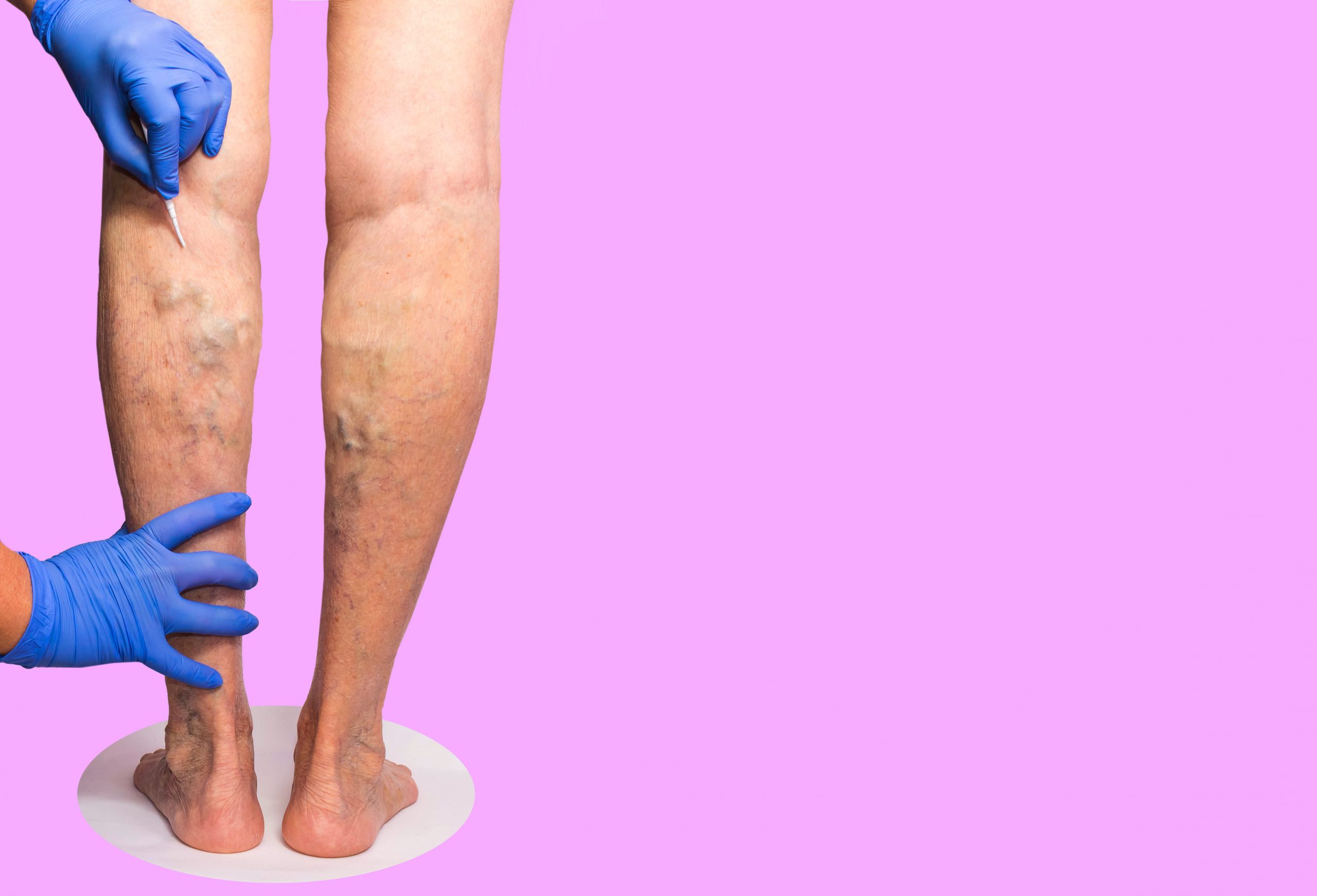
Modern Treatments a Vein Specialist Performs
Vein care has advanced dramatically, and patients no longer need painful vein stripping or lengthy recovery times. Today’s specialists use minimally invasive treatments that take less than 30 minutes and require little or no downtime.
Common treatments include:
1. Endovenous Laser Treatment (EVLT)
Uses targeted laser energy to close damaged veins.
2. Radiofrequency Ablation (RFA)
Uses heat to collapse unhealthy veins with minimal discomfort.
3. VenaSeal
A medical adhesive seals the faulty vein without heat.
4. Sclerotherapy
A safe injection that closes spider veins and small varicose veins.
5. ClariVein
A rotating catheter delivers medication to close veins quietly and efficiently.
A skilled vein specialist chooses the right treatment based on the severity of your condition, symptoms, and medical history.
Why Choose Vein Treatment Long Island
At Vein Treatment Long Island, patients receive compassionate, precise care from board-certified vein specialists who focus on minimally invasive solutions. The team uses modern technology, provides fast results, and ensures every patient understands their treatment plan.
Whether you want to relieve symptoms or improve the appearance of your legs, our specialists offer the highest level of expertise and personalized care.
Find the Best Vein Doctor Near You
If you’re searching online for vein treatment near me, it’s important to choose a center with experienced vein specialists who diagnose the underlying cause and provide evidence-based treatments. The right doctor will improve your symptoms, enhance your confidence, and ensure long-term relief.


Comments
Post a Comment